Investing in Maritime Shipping: A Beginner’s Guide to Tokenized Assets
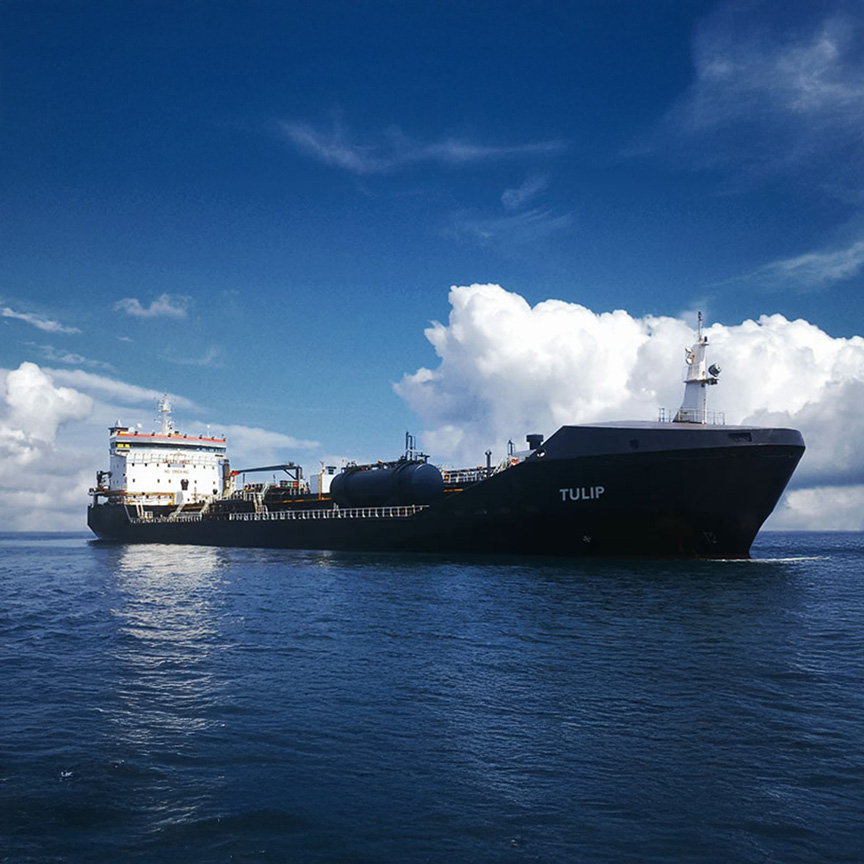
Getting Started With Tokenized Shipping Investments
Maritime shipping is the backbone of global trade, moving over 90% of goods across the world’s oceans. It’s a multi-trillion-dollar industry that powers economies and ensures the flow of energy, commodities, and consumer products. Yet for decades, shipping investments were reserved only for the few; institutional players with deep pockets.
For new investors, accessibility has always been the biggest challenge. Traditional shipping investments often required millions in capital and long-term commitments.
That’s where tokenization comes in. Tokenized shipping allows individuals to invest in maritime assets with lower entry barriers, increased transparency, and better liquidity. By leveraging blockchain, tokenization transforms an industry once closed to most people into an accessible opportunity for everyday investors.
Understanding Tokenized Shipping
What Is Tokenization?
Tokenization is the process of converting real-world assets (RWA) into digital tokens on a blockchain. Each token represents fractional ownership of the asset, whether that’s a ship, cargo, or a share in operational revenue.
Blockchain enables this by creating secure, transparent, and tamper-proof records. It ensures every investor’s ownership is verifiable and transferable. In the broader financial world, tokenized assets are a key part of real-world assets, bridging physical industries with digital finance.
Why Tokenize Maritime Assets?
Shipping has historically been a capital-intensive sector. Buying and operating a vessel requires millions of dollars, not to mention long-term commitments that often lock up funds for years. Liquidity was limited, and transparency was often restricted to insiders.
Tokenization reduces these barriers by:
- Lowering the minimum investment through fractional ownership
- Enabling faster and more flexible liquidity
- Offering real-time transparency on blockchain
Why Invest in Maritime Assets?
The Role of Shipping in the Global Economy
- Over 50,000 commercial vessels power the global supply chain
- Around 90% of world trade is carried by sea
- Maritime shipping has proven resilient even through economic turbulence, continuing to move essential goods
Historical Returns of Maritime Investments
Shipping has offered attractive long-term returns, especially through charter contracts that provide stable income. Compared to some asset classes, shipping has been both high-yielding and less correlated with traditional markets.
Benefits of Tokenized Shipping Investments
Accessibility and Fractional Ownership
With tokenized shipping, you don’t need millions to get started. Investors can participate with relatively small amounts, making maritime assets more inclusive and open.
Liquidity and Transparency
Tokens can be traded 24/7 on blockchain-based liquidity pools, offering flexibility rarely seen in traditional shipping investments. Every transaction is recorded transparently, giving investors confidence in their holdings.
Institutional-Grade Safeguards
Professional platforms provide insurance coverage, KYC/AML compliance, and maritime operational expertise to ensure proper management.
Traditional vs Tokenized Shipping
| Aspect | Traditional Shipping | Tokenized Shipping |
|---|---|---|
| Minimum Investment | Very high (millions) | Low, fractional |
| Liquidity | Low | High, on-chain |
| Transparency | Limited | Full blockchain |
| Accessibility | Institutional only | Open to individuals |
Step-by-Step Shipping Investment Guide
Step 1: Learn the Basics of Tokenized Assets
Understand blockchain, tokenization, and RWAs before you invest.
Step 2: Research Shipping Investment Platforms
Look for platforms with strong maritime expertise and proven track records.
Step 3: Verify Compliance and Security
Ensure platforms follow KYC/AML rules, provide insurance, and conduct regular audits.
Step 4: Diversify Your Investment
Spread your investment across multiple vessels, routes, and cargo types.
Step 5: Monitor Performance and Liquidity
Track your income distributions and secondary market opportunities.
How Fractalized Simplifies Shipping Investments
Fractional Ownership Model
Fractalized makes it easy for beginners to enter maritime investments with small amounts.
On-Chain Liquidity Pools
Tokens can be traded anytime, offering transparency and flexibility.
Maritime Expertise and Institutional Standards
Backed by over 120 years of combined shipping experience, Fractalized provides institutional-grade risk management and operational know-how.
Frequently Asked Questions (FAQ)
Is tokenized shipping safe for beginners?
Yes, if you use compliant platforms with insurance and professional oversight.
How much do I need to start investing?
You can begin with a small amount, thanks to fractional ownership.
How are returns distributed?
Returns are typically distributed directly to your wallet, based on income generated by the vessel.
Can I sell my shipping tokens anytime?
Yes, tokenized assets can be traded on secondary markets, subject to platform rules.
What makes Fractalized different from other platforms?
Fractalized combines blockchain technology with real maritime expertise, offering hem accessibility hem de professional-grade safeguards.
Fractalized Blog & Industry News
Stay up to date with the latest news from Fractalized: product updates, asset insights, news from the real-world asset and tokenization space.

ready when you are.
Whether you operate cash flow assets, build financial products, or allocate capital, the platform is live and the team is reachable.
Contact
Follow us