Tokenized Vessels: The Future of Maritime Investment and Income
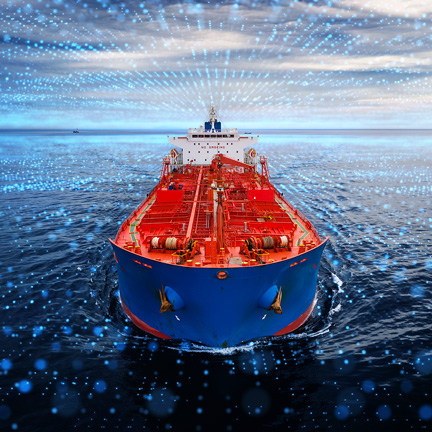
Tokenized Vessels and Maritime Income
Tokenized vessels represent a significant breakthrough in the ownership and management of maritime assets. Instead of requiring millions in capital for a single vessel, blockchain technology enables fractional ownership, where investors can participate with smaller, more affordable entry points. Each token reflects a proportional claim on the income rights of a vessel, opening access to one of the world’s most critical industries.
Among all vessel types, chemical tankers stand out as a particularly attractive investment. They transport essential commodities such as chemicals, refined oil products, and biofuels — cargo that remains in constant demand regardless of global economic cycles. This steady demand translates into predictable charter rates and more resilient returns for investors.
What makes tokenized vessels even more powerful is the transparency and automation provided by blockchain. Smart contracts ensure that income from vessel operations is distributed to token holders seamlessly, while every transaction is recorded on a public ledger. This eliminates opacity, builds trust, and ensures that investors always have clear visibility over how maritime income is generated and distributed.
Understanding Maritime Shipping as an Investment Class
The Global Importance of Shipping
Maritime shipping is the backbone of international trade. Over 90% of global goods are transported by sea, making it one of the most indispensable industries in the world economy. Within this system, chemical tankers play a vital role by carrying refined oil products, chemicals, and biofuels that keep industries and supply chains running. Without them, everything from agriculture to manufacturing would face severe disruption.
Traditional Barriers to Entry
Historically, shipping investments were reserved for ultra-wealthy individuals and large institutions. Purchasing and operating a single vessel often requires tens of millions of dollars, coupled with expert management knowledge. For retail investors, there was no way to participate directly. On top of the high capital requirement, shipping ownership came with low liquidity — selling a stake in a vessel was a long, complex process that made the asset inaccessible to everyday investors.
Why Tokenization Changes the Game
Tokenization transforms this picture entirely. By breaking down vessel ownership into digital tokens, entry thresholds are dramatically reduced — for example, on Fractalized, the minimum ticket price is just 1,000 USDC. At the same time, blockchain ensures that every transaction is transparent, while liquidity pools provide an easy exit when investors want to sell. This model creates space for a more diverse group of investors to participate in an asset class that was once closed off to all but a privileged few.
How Tokenized Vessels Generate Income
Charter Contracts as the Primary Revenue Source
The main driver of maritime income is the charter contract — an agreement between the vessel owner and a charterer. In a time charter, the shipowner provides a fully crewed and maintained vessel for a fixed period at a daily rate. This ensures predictable, stable returns, as the charterer pays consistently regardless of short-term market fluctuations. By contrast, voyage charters cover a single journey and expose owners to market risks. Fractalized focuses on time charters because they provide the most reliable income stream for investors.
Liquidity Pools and On-Chain Income Distribution
Tokenization adds another layer of efficiency. Once a vessel raise is complete, liquidity pools are launched on-chain. Here, smart contracts automatically manage token transactions and income distribution. Investors receive monthly payouts in USDC, with proceeds transferred directly to their wallets. Every step is verifiable on the blockchain, meaning there are no hidden fees or manual processes — just seamless, transparent income distribution.
The Role of Chemical Tanker Investment
Chemical tankers are particularly attractive within this structure. Their cargo — chemicals, refined products, and biofuels — remains in steady demand, resulting in stable charter rates and less volatility than other shipping segments. For investors, this means their tokenized stake is tied to one of the most resilient niches in maritime trade, combining long-term demand with reliable operational income.
Institutional-Grade Reassurance
Income generation also depends on trust and protection. Fractalized ensures that each vessel is managed under KYC/AML compliance, covered by comprehensive insurance (Hull & Machinery, P&I), and operated by 120+ years of shipping expertise through partners like Kaptanoğlu Shipping. This institutional-grade framework ensures that the income is not only predictable, but also secure and professionally managed.
Revenue Models in Tokenized Shipping
Income Streams for Investors
Tokenized vessels create multiple ways for investors to benefit financially. The primary stream is charter income, which on Fractalized is distributed monthly in USDC. For example, the MT Tulip chemical tanker generates a predictable return under its long-term charter contract, with investors receiving steady payouts directly into their wallets. Once the initial raise for a vessel is completed, the secondary market opens immediately — allowing tokens to be traded without waiting periods.
Alongside dividends, investors can also profit from secondary market trading gains. Tokens are listed in dedicated liquidity pools on platforms such as Uniswap V4. This means from the moment tokens are issued, investors can buy or sell at market-driven prices. The result is instant flexibility: holders can exit when needed or capture trading opportunities.
Tulip, the Chemical Tanker
The first tokenized vessel on Fractalized is the MT Tulip, a 15,856 DWT chemical tanker built in 2007 and operated by KPT Ship Management. With a ticket price set at 1,000 USDC, investors gain exposure to a fully compliant, actively operating ship with strong income potential. Tulip’s charter structure delivers an estimated ~20.06% ROI, making it a compelling case study for how tokenized vessels generate steady returns.
Diversification Benefits
The true power of tokenization becomes clear as more vessels are added to the platform. Instead of relying on a single ship, investors can diversify across multiple vessels and cargo types — from tankers to dry bulk carriers or offshore vessels. This approach spreads risk while maintaining attractive yields, creating a balanced maritime portfolio that was historically impossible for retail investors.
Comparing Tokenized Vessels With Traditional Shipping Investments
Accessibility for Average Investors
Traditional vessel ownership has always been out of reach for most individuals. Acquiring and operating a single ship requires millions of dollars, extensive maritime knowledge, and access to industry networks. By contrast, tokenization lowers the entry barrier dramatically. On Fractalized, participation begins at just 1,000 USDC, allowing everyday investors to access opportunities that were once reserved for shipowners and large funds.
Liquidity and Exit Options
In traditional shipping, exiting an investment is complicated and often tied to the sale of the vessel itself — a process that can take years. Tokenized shipping eliminates this lockup. Through secondary market trading pools, investors can sell their positions at any time, unlocking their capital instantly. This liquidity and flexibility represent one of the most important advantages of tokenized maritime assets over legacy investment structures.
Key Factors That Influence Maritime Income
Market Demand for Chemical Tankers
Chemical tankers occupy a critical niche in global trade. They transport refined oil products, industrial chemicals, and biofuels — commodities that maintain consistent demand regardless of economic cycles. With global chemical production steadily increasing, the need for specialized shipping capacity ensures that charter rates remain stable, making this segment attractive for investors seeking resilience.
Operational Efficiency of the Vessel
Income potential is closely tied to the vessel’s performance. A well-maintained, compliant ship crewed by experienced professionals can minimize downtime and maximize operational revenue. For example, the MT Tulip is managed by Kaptanoğlu Shipping, a company with over 120 years of expertise. Its strong operational oversight ensures that the vessel continues to generate predictable returns while meeting international safety and regulatory standards.
Global Economic Trends
Shipping income is also influenced by wider economic factors such as energy demand, evolving trade routes, and geopolitical stability. Growth in renewable fuels, the expansion of Asian markets, and shifting global supply chains all drive demand for maritime transport. While these macro trends create fluctuations, chemical tankers remain less volatile compared to other shipping segments, providing a degree of stability for long-term investors.
Risk Management and Investor Protection
Importance of KYC and AML Compliance
Protecting investors begins with strict compliance. Every participant on Fractalized must complete Know Your Customer (KYC) and Anti-Money Laundering (AML) checks. This process ensures that tokens cannot be transferred to unverified wallets and that all investors are properly vetted. The result is an ecosystem that prioritises safety, reduces fraud risk, and builds institutional confidence.
Role of Insurance in Tokenized Vessels
Maritime operations naturally involve risks, from mechanical breakdowns to unforeseen incidents at sea. To mitigate these, tokenized vessels are fully covered by Hull and Machinery insurance, which protects the physical ship, and Protection & Indemnity (P&I) insurance, which covers liabilities such as cargo loss or third-party claims. Together, these safeguards ensure that unexpected costs do not undermine investor returns.
Maritime Expertise as a Safeguard
Beyond compliance and insurance, investor protection relies on expertise. Fractalized partners with Kaptanoğlu Shipping, a company with more than 120 years of operational knowledge. From crew management to vessel maintenance, their proven track record ensures that tokenized ships are run with the same discipline and professionalism as traditional fleets. This combination of institutional-grade management and modern blockchain technology creates a robust safety net for investors.
Practical Steps for Investors
How to Start With Tokenized Vessels
Getting started is designed to be simple and secure. First, investors create an account on the Fractalized platform and complete KYC verification. Once approved, they can browse available vessels — such as chemical tankers like the MT Tulip — and decide how many fractional tokens to purchase. With entry starting from just 1,000 USDC, participation is accessible to a far broader audience than traditional shipping investments.
Monitoring Returns and Income
After tokens are acquired, investors can track their holdings through the platform’s real-time dashboard. Monthly distributions are paid directly in USDC stablecoins, and all income flows are recorded on the blockchain for full transparency. This visibility gives investors a clear picture of how their capital is performing and ensures trust in the process.
Reinvesting for Long-Term Growth
As more vessels are added, investors can diversify across multiple ships and cargo types, reducing risk while maintaining attractive returns. Monthly proceeds can also be reinvested into new offerings, creating a compounding effect that builds wealth steadily over time. This flexible model allows participants to tailor their maritime portfolio to their long-term goals.
Future Outlook for Tokenized Shipping Investments
Growth of RWA Tokenization Market
The tokenization of real-world assets (RWA) is no longer a distant vision — it is happening now. Analysts project that trillions of dollars’ worth of assets will be tokenized in the coming decade, spanning real estate, commodities, and financial products. Within this vast landscape, shipping stands out as a stable, income-generating sector, making it a natural starting point for long-term RWA adoption.
Integration With Global Financial Systems
As regulations evolve and institutional appetite grows, tokenized shipping is poised to integrate more deeply with traditional finance. Partnerships with funds, launchpads, and investment DAOs will open pathways for broader participation, while regulatory frameworks in hubs like Dubai and the UK are beginning to support compliant RWA platforms. This convergence will ensure that tokenized maritime assets become a recognized, mainstream financial product.
Fractalized Blog & Industry News
Stay up to date with the latest news from Fractalized: product updates, asset insights, news from the real-world asset and tokenization space.

ready when you are.
Whether you operate cash flow assets, build financial products, or allocate capital, the platform is live and the team is reachable.
Contact
Follow us